
DAILY MAINTENANCE & BIRD HEALTH
Essential Quail Care:
Keeping Your Flock Healthy
Daily routines, biosecurity protocols, pest prevention, and weather protection strategies to maintain high egg production and low mortality.
Daily
Fresh Water Check
14-16 Hrs
Light Needed
65-75°F
Ideal Temp Range
1/ Week
Deep Cleaning
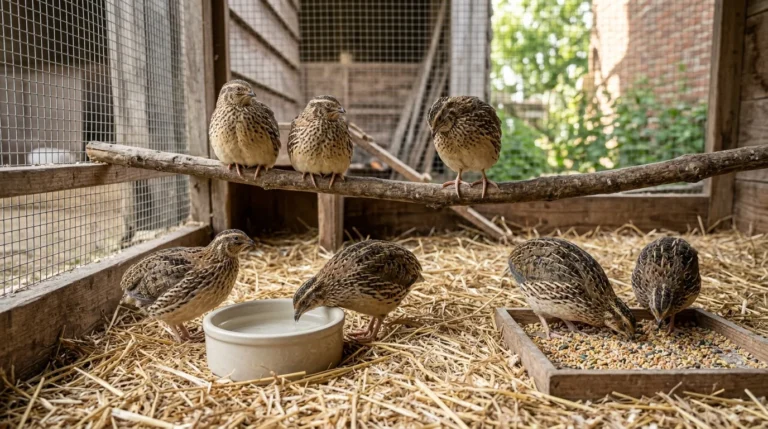
What Does Essential Quail Care Actually Involve?
Essential quail care comes down to four things done consistently: dry housing, species-appropriate feed, strict biosecurity, and daily observation sharp enough to catch illness in its first 24 hours. Coturnix quail are genuinely hardy birds compared to most poultry, but that hardiness cuts both ways — they mask symptoms well, which means a quail that looks visibly sick is often already several days into an infection. In a species where a flock-wide outbreak can move from one bird to twenty in under a week, early detection matters more than any medication in your cabinet.
Good husbandry for backyard flocks is less about reacting to disease and more about removing the conditions that let disease establish itself. Wet litter, crowded pens, shared water with wild birds, and feed left open to rodents account for the overwhelming majority of health problems keepers actually encounter — not exotic pathogens. Disease prevention in small-scale poultry keeping is unglamorous work: scraping trays, changing water, checking droppings. It’s also the single highest-return habit in the entire hobby.
This guide is built as a quick-reference baseline for first-time quail keepers and experienced breeders alike. It walks through symptom recognition, the specific diseases that show up most often in quail, eye and digestive problems, seasonal and life-stage care, behavior, diet, lifespan, and a practical prevention and emergency framework. Where treatment is discussed, it’s framed the way a poultry vet would frame it — as context for an informed conversation with a professional, not as a substitute for one. Quail health sits close enough to food safety and zoonotic risk that avian care basics deserve that level of seriousness.
What Diseases Can Quails Get?
Quail are susceptible to a defined set of common conditions: coccidiosis, ulcerative enteritis, respiratory infections including CRD, bumblefoot, external and internal parasites, and — less commonly but far more seriously — Newcastle disease and Avian Influenza. This disease overview covers roughly 90% of what a backyard keeper will ever face, with coccidiosis and ulcerative enteritis accounting for the bulk of chick and juvenile losses specifically.
| Condition | Cause | Key signs | Treatment outlook |
|---|---|---|---|
| Coccidiosis | Eimeria protozoa | Bloody or watery droppings, puffed posture, weight loss in chicks under 6 weeks | Treatable: amprolium or sulfadimethoxine under vet direction |
| Ulcerative enteritis | Clostridium colinum bacteria | Sudden deaths, watery droppings, mild lethargy | Vet-prescribed antibiotics; moves very fast |
| Aspergillosis | Mold spores (Aspergillus) | Labored breathing in chicks; damp bedding or moldy feed | Rarely effective once advanced; prevention is key |
| Newcastle disease | Virus | Head tremors, twisted neck, circling, greenish droppings | No treatment; reportable, culling and containment |
| Avian influenza | Virus | Sudden lethargy, swollen eyes, respiratory distress, egg drop | No treatment; reportable, quarantine and testing |
| Quail bronchitis | Adenovirus | Coughing, sneezing, watery eyes | Supportive care only |
| Marek's disease | Herpesvirus | Paralysis, twisted neck, gray iris | No treatment; vaccination at hatch is the only control |
| Botulism | Clostridium botulinum toxin | Progressive paralysis, limber neck | Antitoxin exists but is rarely practical; prevention |
| Infectious coryza | Avibacterium paragallinarum | Facial swelling, foul-smelling nasal discharge | Antibiotics under vet care; survivors stay carriers |
| Salmonellosis | Salmonella bacteria | Often no signs (carriers); zoonotic risk | Prevention and strict hygiene |
| Bumblefoot | Staphylococcus aureus | Swollen, scabbed footpad | Early: soak and clean; advanced: vet |
| CRD (Mycoplasma) | Mycoplasma gallisepticum | Rattling breathing, swollen sinuses | Antibiotics suppress symptoms; birds stay carriers |
The practical value of holding a differential list in your head is speed. When a bird goes off its feed, the useful question isn’t “is it sick?” but “which of six or seven realistic causes fits what I’m seeing?” Bloody droppings point one direction, rattling breathing points another, a swollen face points a third. Keepers who know the short list narrow things down in minutes; keepers who don’t tend to lose days to guesswork — and with a condition like ulcerative enteritis, days are exactly what you don’t have.
How Do You Recognize a Sick Quail Early?
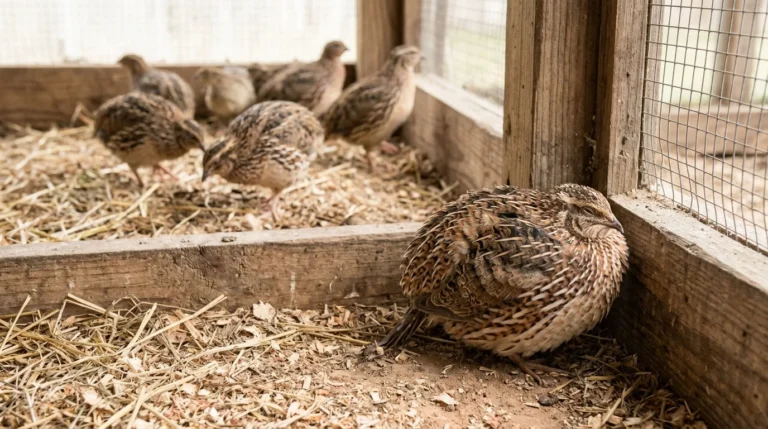
A sick quail almost always shows posture changes before anything else: fluffed-up feathers, a drooping tail, low-hanging wings, and half-closed eyes are the earliest and most reliable signals. Add labored or noisy breathing, a sudden drop in egg production, self-isolation from the group, or unexplained feather loss, and you have the complete early-warning set. None of these are specific to any one disease, which is precisely why they’re useful — they tell you something is wrong well before a diagnosis is possible.
The catch is that behavioral cues only work if you know what normal looks like for your particular birds. Establishing an alertness baseline takes about a week of deliberate watching: how quickly the flock reacts when you approach, how they distribute themselves across the pen, how much noise they make at feeding time. Once that baseline is internalized, a deviation registers instantly. Experienced keepers often describe noticing that “something was off” a full day before they could articulate what — that instinct is simply pattern recognition built on consistent flock monitoring.
Practically, the best monitoring window is the first few minutes of morning feeding, when every healthy bird should be alert, mobile, and competing for feed. A quail that hangs back, stays fluffed while others are active, or tucks into a corner alone is the one to pull aside and examine. This daily habit takes under two minutes and catches more problems than any other single practice in quail husbandry.
What Does Quail Diarrhea Signal?
Abnormal droppings are one of the highest-signal symptoms in quail, and the color tells you a great deal: bloody droppings strongly suggest coccidiosis or ulcerative enteritis, watery droppings indicate intestinal irritation or early infection, and greenish droppings are associated with Newcastle disease as well as with birds that have stopped eating.
What matters most is the symptom pattern rather than any single dropping. One odd-looking stool after a diet change means little; consistently abnormal droppings across multiple birds over two or three days means an active problem. There’s also a documented mortality correlation worth understanding — bloody droppings in birds under six weeks old carry a meaningfully higher death rate than the same symptom in adults, because young quail dehydrate and lose condition far faster once intestinal damage begins.
Why Should You Watch Closely After Stressful Events?
Because disease outbreaks in quail almost always follow a stressful event rather than appearing at random — a move or relocation, overcrowding, or a sudden weather shift suppresses immune function just enough to let an already-present pathogen take hold. This is the mechanism behind most “out of nowhere” outbreaks keepers report.
The practical rule is a 7–10 day observation window after any disruption: new birds introduced, a pen rebuild, a transport, a heat wave, or a cold snap. During that window, increase monitoring frequency and resist adding any further changes. Most of the classic disease outbreak triggers aren’t infectious events at all — they’re management events that happened to precede one, and understanding that distinction lets you prevent outbreaks rather than just respond to them.
What Does a Sick Quail Look Like in Advanced Stages?
In more advanced illness, quail show unmistakable physical signs: swollen eyes, face, or joints, head twisting, loss of balance, and visible discharge from the eyes or nostrils. These are red-flag symptoms that indicate the condition has progressed well past the early postural stage.
Neurological signs in particular — twisting, circling, head tremors, inability to stand upright — demand immediate isolation and, in most regions, a call to a vet or agriculture department, because they overlap with Newcastle disease and other reportable conditions. Facial and joint swelling more often points toward bacterial infection, while nasal and ocular discharge suggests a respiratory pathogen. In all three cases, a bird showing these signs is unlikely to recover without intervention, and every hour it stays with the flock increases transmission risk.
Why Are My Quails Dying All of a Sudden?
Sudden death across multiple birds usually points to one of three causes: ulcerative enteritis, Avian Influenza, or botulism from contaminated feed or standing water. Finding a dead quail with no preceding symptoms is genuinely alarming, and it should be treated as an outbreak until proven otherwise rather than written off as bad luck.
Ulcerative enteritis is the most common explanation in quail specifically, because it can kill within 24 hours of the first visible symptom — sometimes before any symptom is noticed at all. When more than one bird dies within a short span, the right move is a necropsy referral through a state diagnostic lab or avian vet, which is the only way to get an actual cause rather than a guess. Follow the standard bag-and-refrigerate protocol: seal the body in a plastic bag and refrigerate it immediately — never freeze it, as ice crystals destroy the tissue detail a pathologist needs. If a lab confirms a reportable disease such as Avian Influenza or Newcastle, notification requirements kick in automatically, and having acted quickly protects both your flock and everyone else’s nearby.
What Are the Most Common Quail Diseases?
The four conditions that account for most serious quail illness are coccidiosis, ulcerative enteritis, aspergillosis, and Newcastle disease. The first two are intestinal and overwhelmingly affect young birds; the third is environmental and fungal; the fourth is viral, rarer, and far more consequential when it does appear.
Knowing these four in detail — cause, presentation, treatment reality, and prevention — covers the substantial majority of diagnostic situations a keeper will face. What follows is written at the level of detail needed to recognize each one and have a productive conversation with a vet, not to replace veterinary diagnosis, which for most of these conditions is the only way to confirm what you’re actually dealing with.
What Is Coccidiosis in Quail and How Is It Treated?
Coccidiosis is an intestinal disease caused by Eimeria, a genus of protozoa that invades and damages the intestinal lining, and it is treated with Amprolium (Corid) or sulfadimethoxine under veterinary direction. It is by a wide margin the most common serious illness in young quail under 6 weeks, whose immune systems haven’t yet developed resistance to the parasite.
The disease spreads through oocysts — hardy egg-like stages shed in droppings that survive for weeks in the environment and thrive in wet or soiled bedding. This is why coccidiosis is fundamentally a management disease: the parasite is nearly ubiquitous, and outbreaks are driven by moisture and litter conditions rather than by exposure alone. Brooder sanitation is the single most effective preventive control, followed by keeping waterers from leaking into bedding.
Medicated starter feed containing amprolium is one common preventive approach for chicks, though it’s worth understanding what it does — it suppresses the parasite enough to let birds develop natural immunity, rather than eliminating it outright. Some keepers prefer non-medicated game-bird starter combined with strict brooder sanitation, so the right choice depends on your risk and your vet’s advice. During an active outbreak, treatment is paired with supportive care: poultry electrolytes in the drinking water address the dehydration that does much of the actual killing in coccidiosis cases. Dosing for amprolium and sulfadimethoxine varies by product concentration and by whether you’re treating or preventing, so it should come from the label and your vet rather than from a forum post.
What Are the Signs and Symptoms of Coccidiosis in Quail?
The signs of coccidia in quail are bloody or watery droppings, lethargy, fluffed feathers, appetite loss, and rapid weight loss — typically appearing together within a day or two of each other. The combination of bloody droppings and a puffed-up posture in a bird under six weeks old is close to diagnostic for coccidiosis in quail in practical terms.
Weight loss deserves particular attention because it’s easy to miss visually under feathers. Picking up a chick and noticing it feels lighter than its clutch-mates is often the earliest physical confirmation, and it’s a check worth doing whenever droppings look off. Birds that stop eating during a coccidiosis episode decline extremely fast — the window between “slightly off” and “critical” in a three-week-old quail can be under 48 hours.
What Is Ulcerative Enteritis ("Quail Disease")?
Ulcerative enteritis is a bacterial intestinal infection caused by Clostridium colinum, and it earned the informal name “quail disease” because it hits quail harder than any other poultry species — with mortality up to 100% in untreated outbreaks. It produces characteristic ileum and caecum ulcers that can perforate the intestinal wall and lead to peritonitis.
The bacterium thrives under anaerobic conditions and is often secondary to something else that has already compromised the birds — stress, coccidiosis damage, or immunosuppression from IBDV (infectious bursal disease virus). That layering is why coccidiosis and ulcerative enteritis so frequently appear in the same flock: the first opens the door for the second. Prevention relies heavily on all-in/all-out production — fully emptying, cleaning, and resting housing between groups rather than continuously adding birds to an occupied pen — plus litter management and, increasingly, probiotics to support gut flora that resists clostridial overgrowth.
The speed of this disease is what makes it genuinely dangerous. Birds can be found dead in good body condition, having shown nothing beyond mild lethargy hours earlier. Any unexplained death in a young quail flock should raise ulcerative enteritis as a leading suspicion and prompt immediate veterinary contact rather than watchful waiting.
What Is the Treatment for "Quail Disease"?
Treatment for ulcerative enteritis relies on antibiotics delivered through feed or water, with streptomycin, bacitracin, and penicillin at roughly 50–100 ppm among the agents documented in the veterinary literature; tetracyclines and amoxycillin are also used. All of these require veterinary prescription and oversight in most countries, and drug availability for poultry varies significantly by region.
The expected 48–96 hour response window is a useful benchmark: a flock responding to appropriate treatment typically shows reduced mortality and improved activity within two to four days. Multivitamins and electrolytes support recovery alongside the antibiotic. If there’s no improvement inside that window, the working diagnosis is probably wrong, the dosing is off, or resistance is involved — all of which are reasons to escalate rather than continue. Veterinary guidance matters more here than almost anywhere else in quail keeping, both because the drugs are prescription-controlled and because withdrawal periods apply if you’re eating the eggs or meat.
What Is Aspergillosis (Brooder Pneumonia) in Quail?
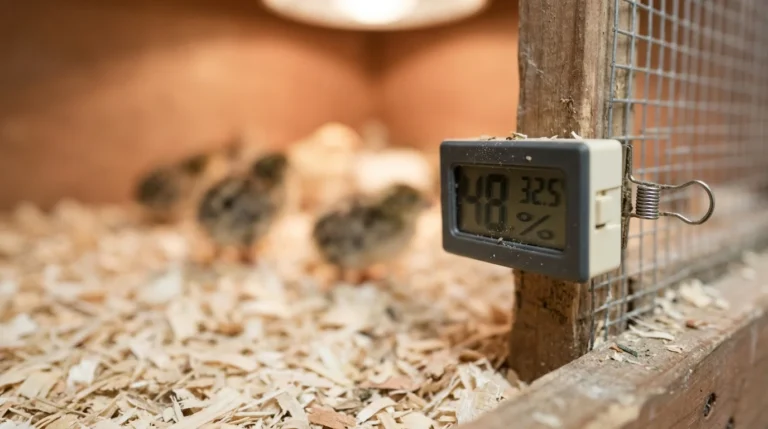
Aspergillosis is a non-contagious respiratory illness caused by inhaling mold spores — most commonly Aspergillus fumigatus — from damp bedding, moldy feed, or a poorly maintained brooder, which is why it’s often called brooder pneumonia in chicks. Unlike most diseases in this guide, it doesn’t spread bird to bird; every affected bird contracted it independently from the same environmental source.
The hallmark finding on necropsy is white nodules in the lungs and air sacs, representing fungal colonies that have established in tissue. Treatment with itraconazole or voriconazole is possible under veterinary care but is often expensive and only partially effective once disease is advanced, because the fungus grows faster than a compromised bird’s immune reserve can respond. This makes aspergillosis overwhelmingly a prevention problem: poor ventilation and persistent moisture are the two conditions that create it.
A hygrometer in the brooder or coop is one of the cheapest health investments a keeper can make. Keeping relative humidity controlled and bedding genuinely dry — not “looks dry on top” — removes the conditions that allow fungal spore inhalation at dangerous concentrations. Any feed that smells musty or shows visible mold should be discarded outright rather than fed to birds you consider hardy enough to handle it.
What Is Newcastle Disease in Quail?
Newcastle disease is a viral respiratory-neurological disease that causes head tremors, twisted necks, and circling, alongside greenish diarrhea and respiratory distress. There is no treatment — management of confirmed cases involves culling and containment, and in most jurisdictions the disease is legally reportable to agricultural authorities.
Unvaccinated flocks are fully susceptible, and virulent strains can cause very high mortality quickly. Commercial vaccination programs exist and are standard in large poultry operations, though small backyard keepers in low-risk areas often don’t vaccinate — a decision worth revisiting if you’re in a region with active outbreaks or near commercial poultry. For the average keeper, biosecurity is the realistic defense: keeping wild birds out, quarantining new arrivals, controlling visitor access to pens, and not sharing equipment between flocks. Neurological signs in a quail should always prompt immediate isolation and a professional call, precisely because Newcastle sits on the differential list.
What Causes Quail Eye Problems and Infections?
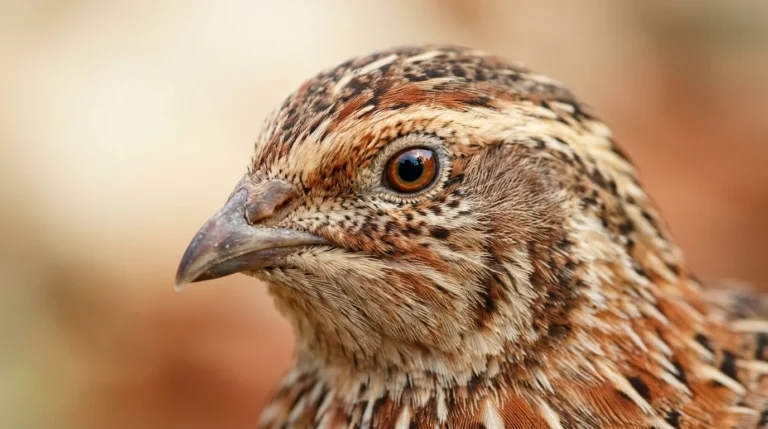
Quail eye problems are most often caused by environmental irritation rather than primary infection — ammonia buildup in bedding, dusty bedding irritation, foreign debris, and vitamin A deficiency account for the majority of cases, with bacterial conjunctivitis developing secondarily. The visible result is typically half-closed or crusted eyes, discharge from eyes, or swollen eyes and face.
Ammonia deserves specific emphasis because it’s invisible and keepers acclimate to it. If you can smell ammonia when you lean into the pen, concentrations at bird level — where quail spend all their time, being ground-dwelling — are considerably higher and already irritating to the cornea. Corneal irritation from chronic ammonia exposure is one of the most under-diagnosed welfare problems in cage-based quail systems, and it resolves almost entirely with better litter management and ventilation.
Persistent, bilateral, or rapidly worsening eye problems warrant an avian ophthalmology referral or at minimum a general avian vet, because eye involvement is also a symptom of systemic disease — infectious coryza, mycoplasma, and avian influenza all present with periocular swelling. An eye problem that comes with respiratory noise or facial swelling is not an eye problem; it’s a systemic infection showing up in the eye.
What Are the Symptoms of a Quail Eye Infection?
The core symptoms of quail eye problems are swelling around the eye or eyelid, discharge that may be clear or purulent, crusting that seals the lid shut, squinting, and apparent light sensitivity. A bird that keeps one eye closed while the other stays open is the classic single-eye presentation, usually indicating localized irritation or injury.
The main concern with any untreated quail eye condition is secondary infection risk. An initially mechanical problem — a scratch, a piece of bedding, ammonia burn — creates a compromised surface that opportunistic bacteria colonize quickly. This is why even mild-looking eye irritation is worth acting on within a day or two rather than waiting a week to see whether it resolves.
How Do You Cure a Bird's Eye Infection?
Treatment starts with a sterile saline rinse to flush debris and discharge, followed by isolation to prevent flock-mates from pecking at the affected eye, and a warm compress to soften crusting. Anything beyond that — specifically vet-prescribed ophthalmic antibiotics — requires a professional, because over-the-counter human eye products are not reliably safe for birds and some contain steroids that worsen corneal ulcers.
Just as important is fixing the cause rather than only treating the symptom. Bedding hygiene and reduced ammonia exposure are the environmental corrections that prevent recurrence, and in practice a bird treated without those changes usually relapses within weeks. If several birds in the same pen develop eye problems simultaneously, the environment is the diagnosis — not the individual birds.
Can Conjunctivitis or an Eye Infection Heal on Its Own?
Mild cases can resolve on their own, particularly when the cause was simple irritation and the underlying condition has been corrected — but severe cases involving purulent discharge, marked swelling, or a visibly damaged cornea will not. The mild vs. severe distinction is what determines whether watchful waiting is reasonable or negligent.
A practical monitoring window is 48 to 72 hours: self-resolving irritation typically shows visible improvement inside that period once the source is removed. If the eye looks the same or worse at 72 hours, or if the bird stops eating, becomes lethargic, or develops respiratory signs, that’s the point to escalate to a vet. Waiting past that window risks permanent vision loss in the affected eye and, in a prey species that relies heavily on sight, a bird that struggles to compete at the feeder afterward.
What Do Quail Droppings and Egg-Laying Changes Tell You?
Droppings and egg output are the two most sensitive health indicators in a quail flock, because both change measurably before the birds look visibly ill. Monitoring droppings color, consistency, and frequency alongside daily egg counts gives you an early-warning system that costs nothing and requires no equipment.
A sudden drop in egg production is particularly informative because it’s binary and quantifiable — you either got your usual dozen eggs or you didn’t. Laying hens divert enormous metabolic resources to egg production, and that output is the first thing the body sacrifices under stress, infection, or nutritional shortfall. A flock that drops 30% in egg output overnight has told you something is wrong roughly two days before you’d have noticed it any other way.
The causes behind both signals range from trivially benign to serious. Diet-related variation and normal molting explain a large share of changes; reproductive disorders including internal laying, salpingitis, and calcium deficiency explain a smaller but far more urgent share. The two subsections below separate the routine from the concerning.
What Does Normal vs. Abnormal Quail Poop Look Like?
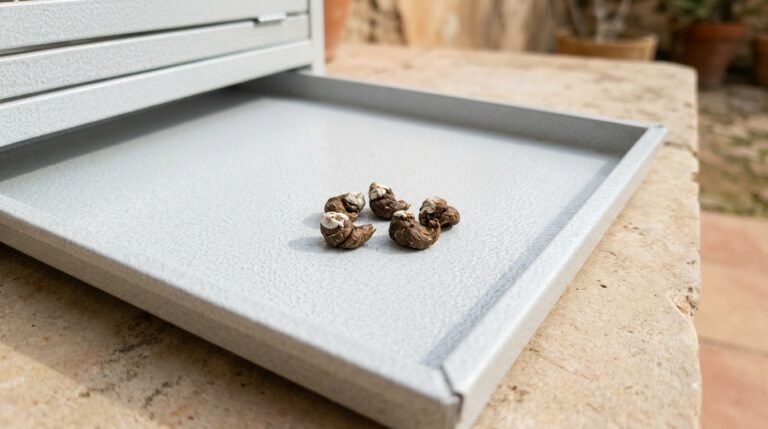
Normal quail poop is firm and formed, brownish, with a distinct white urate cap — the bird equivalent of urine, which should be chalky white rather than yellow or green. That firm/formed droppings baseline is what every abnormal reading is measured against, and it varies slightly with diet, so it’s worth knowing what your own flock’s normal looks like on your specific feed.
Bloody droppings are the highest-urgency abnormal finding, pointing toward coccidiosis or ulcerative enteritis, especially in birds under six weeks. Greenish droppings typically indicate either a bird that has stopped eating (bile without food to mix with) or a systemic viral infection. Yellow or lime-green urates suggest liver involvement. Watery droppings alone are the least specific finding — heat, excess water intake, and certain treats all produce them temporarily — so the useful signal is watery droppings that persist for more than a day alongside any behavioral change. Distinguishing disease-linked droppings from ordinary dietary variation is mostly a matter of duration and company: transient and isolated is usually fine, persistent and accompanied by other symptoms is not.
Why Aren't My Quail Laying Eggs?
The most common reason quail are not laying eggs is insufficient daylight hours — Coturnix need roughly 14 to 16 hours of light per day to sustain production, and output falls sharply below that threshold as autumn arrives. This is the first thing to check before assuming illness, and it’s easily corrected with supplemental lighting on a timer.
Beyond photoperiod, the realistic causes of why aren’t my quail laying eggs fall into four groups. Stress from predators, relocation, or crowding suppresses laying within a day or two and usually resolves once the stressor is removed. Age-related decline is real and often underestimated — Coturnix peak production lasts roughly a year, after which output tapers meaningfully. A molting pause temporarily halts laying while feather regrowth consumes protein reserves. Finally, nutrition gaps — particularly protein below about 20% or inadequate calcium — reduce both egg count and shell quality.
Calcium deficiency is worth treating seriously rather than as a minor nutritional note, because it’s the pathway to more dangerous problems. Hens short on calcium produce thin-shelled eggs, which are far more likely to break internally and cause internal laying or salpingitis — an infection of the oviduct that is frequently fatal and difficult to treat once established. Free-choice oyster shell offered in a separate dish, rather than mixed into feed, lets individual hens self-regulate intake and is the standard preventive measure. Our quail feed guide covers calcium and layer feed in detail, and our quail eggs guide covers when hens start laying and what a healthy laying rate looks like.
Which Viral Diseases Affect Quail?
The three viral diseases most relevant to quail keepers are Avian Influenza, quail bronchitis, and — less commonly — Marek’s disease. None have a cure in the conventional sense; management is a matter of prevention, supportive care, and in some cases mandatory reporting.
Viral disease is where biosecurity genuinely earns its reputation, because antibiotics do nothing and the only real interventions are keeping the virus out and supporting birds through infection if it gets in. Wild birds, shared equipment, contaminated footwear, and newly introduced stock are the four main entry routes, and all four are controllable with modest effort.
What Is Avian Influenza in Quail?
Avian Influenza is a fast-spreading viral infection that occurs in low- and high-pathogenicity strains, with high-path strains capable of killing a flock within days. Early signs include sudden lethargy and swelling around the eyes, often alongside respiratory distress and a collapse in egg production.
Avian Influenza is a reportable disease almost everywhere, which means suspected cases require notification to your state agriculture department or equivalent authority — this is a legal obligation, not a courtesy. Standard response involves a quarantine of at least 14 days and official testing. Quail are of particular epidemiological interest here because they can support influenza viruses without always showing dramatic symptoms, making them a potential bridge species between wild waterfowl and domestic poultry. That’s a strong practical argument for keeping quail pens fully covered and wild birds out of feed and water.
What Is Quail Bronchitis?
Quail bronchitis is a highly contagious viral infection of the upper respiratory tract, caused by an adenovirus, and it spreads rapidly through young flocks in dusty or poorly ventilated housing. Presenting signs are coughing and sneezing, watery eyes, and nasal discharge.
There is no antiviral treatment — management is supportive care only: reducing dust, improving airflow, keeping birds warm and hydrated, and treating any secondary bacterial infection under veterinary guidance. Mortality tends to be highest in chicks and much lower in adults, and the rapid spread through a group means that once you see it in one bird, most of the flock has already been exposed. Recovered birds generally develop immunity, which is why established adult flocks rarely see severe outbreaks.
Does Marek's Disease Affect Quail?
Marek’s disease is a herpesvirus that primarily affects chickens; quail are far less commonly affected, though cases are documented and the disease is worth recognizing. Classic signs are paralysis — often of one leg or wing — twisted necks, and a distinctive irregular or gray iris in ocular forms of the disease.
Transmission occurs through feather dander, which is the detail that makes Marek’s so difficult to exclude: the virus travels on dust, persists in the environment for months to years, and shows notable environmental persistence in coop bedding and soil. Vaccination is administered at day of hatch and is the only reliable control, which is why sourcing chicks from reputable hatcheries matters, particularly for keepers who house quail anywhere near chickens. For quail-only operations, the practical risk is low but not zero, and physical separation from chicken flocks remains the sensible default.
Which Bacterial Diseases Affect Quail?
The three bacterial conditions quail keepers encounter most often outside the intestinal diseases already covered are botulism, infectious coryza, and salmonellosis. Unlike viral disease, all three are treatable or preventable through specific, concrete interventions — which makes recognizing them genuinely actionable.
Two of these — botulism and salmonellosis — are essentially management failures rather than bad luck. They trace back to decaying organic matter, standing water, spoiled feed, or rodent access, all of which are within a keeper’s control. Coryza is different in that it’s usually introduced by a new bird, which is why quarantine features so heavily in its prevention.
What Is Botulism in Quail?
Botulism is poisoning by the toxin of Clostridium botulinum, which grows in decaying matter, standing water, and spoiled feed — it is not an infection in the usual sense but a toxin ingested from the environment. The signature presentation is progressive paralysis starting at the legs and moving upward, culminating in the classic limber neck where a bird can no longer hold its head up.
Treatment with antitoxin exists but is expensive, time-sensitive, and rarely practical for backyard flocks, so prevention carries essentially all the weight. Standing water removal is the single most important control — puddles, stagnant waterers, and wet spots where dead insects or vegetation decompose are the classic sources. Discarding any feed that has gotten wet, and removing carcasses of any dead animal from the pen area promptly, closes the remaining routes. Cases typically cluster in warm weather, when toxin production accelerates.
What Is Infectious Coryza in Quail?
Infectious coryza is a bacterial respiratory disease caused by Avibacterium paragallinarum, distinguished by marked facial swelling and a characteristic foul odor from nasal discharge that most keepers find unmistakable once they’ve encountered it. Treatment typically uses oxytetracycline or sulfadimethoxine under veterinary prescription.
The critical management point is that recovered birds frequently become lifelong carriers, continuing to shed bacteria while appearing healthy. This makes the habit of quarantining newcomers — a minimum of 14 days, preferably longer — the highest-value prevention step available, since coryza almost always enters a clean flock through an apparently healthy new bird. Adequate dietary protein adequacy and low-stress housing also matter, as underfed or crowded birds show more severe disease from the same exposure.
What Is Salmonellosis in Quail?
Salmonellosis is an infection with Salmonella bacteria, and quail have a partial natural advantage here: their higher body temperature relative to some other poultry acts as a mild resistance factor, meaning quail more often become asymptomatic carriers than acutely ill birds. That carrier status is exactly what makes it a human health issue rather than primarily a bird health issue.
Because Salmonella is zoonotic, the controls are as much about people as birds. Thorough handwashing after handling birds, eggs, or equipment is non-negotiable, especially in households with children or immunocompromised members. Rodent-proof feed storage removes the main introduction route, since rodents are a major Salmonella vector into poultry facilities. Clean egg collection — gathering eggs frequently, keeping nesting areas dry, and not washing eggs in cool water that draws bacteria through the shell — handles the remaining risk at the consumption end.
What Physical and Environmental Health Problems Do Quail Develop?
Beyond infectious disease, quail develop a predictable set of physical and environmental problems tied directly to how they’re housed: bumblefoot from hard flooring, chronic respiratory disease from poor ventilation, and parasite burdens from infrequent cleaning. All three are essentially housing diagnoses that happen to present as bird symptoms.
These conditions are worth treating as a category because they respond to the same intervention — fixing the environment — more reliably than to any medication. A keeper who solves a bumblefoot case with an Epsom soak but leaves the bird on the same wire floor will be soaking the same foot again in a month.
What Is Bumblefoot in Quail?
Bumblefoot, or pododermatitis, is a bacterial infection of the footpad — usually Staphylococcus aureus — that produces swollen, scabbed footpad lesions, most often triggered by wire-bottom cages or obesity placing sustained pressure on the foot.
Early-stage cases are commonly managed with an Epsom salt soak to soften the lesion, followed by careful iodine cleaning and a dressing; advanced cases with deep abscesses need veterinary intervention, as home surgery on a bird this small carries real risk. The durable fix is environmental: smooth padded flooring, or at minimum a solid resting mat within a wire cage, removes the pressure point that caused the lesion. Checking footpads during routine handling is a two-second addition to any health check and catches bumblefoot while it’s still a scab rather than an abscess. Our quail housing guide covers flooring options and foot-health signs in detail.
What Are Respiratory Infections and CRD in Quail?
CRD — chronic respiratory disease — is most often caused by Mycoplasma gallisepticum, and it presents as rattling or gurgling breathing, swollen sinuses, nasal discharge, and reduced activity. It’s chronic by nature: infected birds typically remain carriers for life even after symptoms resolve.
Treatment generally involves tylosin or, in some regions and circumstances, enrofloxacin, though it’s important to know that fluoroquinolone use in poultry is prohibited in the United States and restricted elsewhere — which is one more reason treatment decisions belong with a vet who knows your jurisdiction. Antibiotics suppress symptoms rather than clearing the organism, so recovered birds should be considered permanently infectious to naive flocks. Quarantine for 2–3 weeks for any new arrival, and excellent ventilation as a standing condition, are the two controls that actually keep mycoplasma out of a clean flock.
What Parasites Affect Quail?
Quail carry both internal and external parasites: roundworms, gapeworms, and cecal worms internally, and lice, red mites, and northern fowl mites externally. Internal parasites are typically treated with fenbendazole and external parasites with permethrin, both under appropriate guidance and with attention to egg withdrawal periods.
Gapeworms deserve specific mention because they lodge in the trachea and produce a gasping, neck-stretching behavior easily mistaken for respiratory infection — a distinction worth making before reaching for antibiotics that won’t help. For external parasites, providing diatomaceous earth dust baths gives birds a natural self-maintenance tool that meaningfully reduces mite and lice loads between treatments, though DE should be food-grade and used in a way that doesn’t create a respiratory dust problem. Regular health checks that include parting feathers around the vent and under the wings — where mites concentrate — catch infestations early, when they’re still a nuisance rather than a cause of anaemia and dropped production.
How Does Quail Health Vary by Life Stage and Breed?
Chicks 0–6 weeks are the highest-risk group by a wide margin because of underdeveloped immunity, with pasty butt and brooder pneumonia the two most common early problems alongside coccidiosis. Pasty butt — droppings drying and sealing the vent — is usually caused by chilling or overheating and needs immediate gentle cleaning with warm water, since a blocked vent is fatal within about a day.
Adult quail 6+ weeks shift toward physical and environmental problems: wire-flooring injury, parasites, and respiratory disease from housing conditions. Laying hens carry an additional layer of risk from reproductive pressure, with egg binding the acute emergency — a hen straining, walking oddly, or sitting fluffed with a distended abdomen may have an egg lodged in the oviduct, which becomes life-threatening within hours. Consistent calcium support through free-choice oyster shell is the main preventive measure, since weak contractions and thin shells both contribute to binding.
What Health Problems Occur at Each Life Stage?
Bumblefoot, or pododermatitis, is a bacterial infection of the footpad — usually Staphylococcus aureus — that produces swollen, scabbed footpad lesions, most often triggered by wire-bottom cages or obesity placing sustained pressure on the foot.
Early-stage cases are commonly managed with an Epsom salt soak to soften the lesion, followed by careful iodine cleaning and a dressing; advanced cases with deep abscesses need veterinary intervention, as home surgery on a bird this small carries real risk. The durable fix is environmental: smooth padded flooring, or at minimum a solid resting mat within a wire cage, removes the pressure point that caused the lesion. Checking footpads during routine handling is a two-second addition to any health check and catches bumblefoot while it’s still a scab rather than an abscess. Our quail housing guide covers flooring options and foot-health signs in detail.
How Do Health Needs Differ by Breed?
Coturnix quail are the hardiest of the commonly kept breeds and tolerate a wide range of conditions, but their intense selection for production makes them disproportionately prone to reproductive disorders — egg binding, internal laying, and salpingitis all appear more often in heavy layers than in less productive lines.
Bobwhite quail are notably more stress-prone than Coturnix, reacting more strongly to handling, noise, and confinement, which translates directly into higher susceptibility to stress-triggered disease. Button quail are tiny and genuinely fragile, with minimal physiological reserve. This is the core of breed-specific management: the same 24-hour delay in noticing illness that a Coturnix might survive can be fatal in a button quail, so monitoring frequency should scale inversely with bird size.
What Is Involved in Caring for Button Quail?
Caring for button quail requires smaller, more enclosed housing, gentler handling, and considerably tighter temperature control than Coturnix need — they have far less thermal mass and chill quickly in conditions a Coturnix would shrug off. Our quail breeds guide covers button quail housing, feeding and size in full.
The defining practical difference is the escalation speed of illness. A button quail that looks mildly unwell in the morning can be critical by evening, which compresses the window for intervention to hours rather than days. Mixed-species caution is also essential: housing button quail with Coturnix generally goes badly, as the size disparity leads to bullying and injury, and pathogens that Coturnix tolerate well can be severe in the smaller species.
How Do You Care for Quail Through Winter and the Newborn Stage?
Seasonal care and newborn care share the same core variable — temperature control combined with draft-free ventilation — but the target ranges and equipment differ sharply between a day-old chick and an acclimatized adult in January. Getting either wrong produces losses quickly.
The recurring theme across both is that humidity control and airflow matter more than raw heat. A dry, well-ventilated, unheated coop will carry a flock through winter far better than a warm, sealed, damp one; the same principle governs brooder management, where excess humidity drives brooder pneumonia and sanitation failures.
How Do You Care for Newborn Quail?
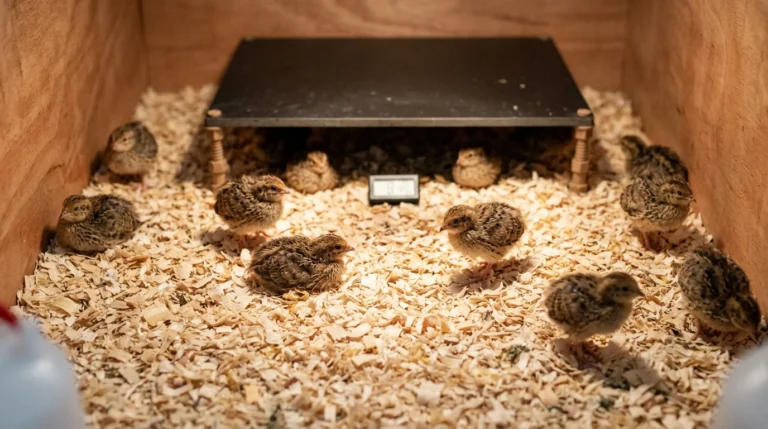
Newborn quail care starts with a properly set up brooder at 95–98°F under the heat source for the first week, then tapering roughly 5°F per week until chicks are fully feathered around four to six weeks. That brooder temperature schedule is the single most important variable in day-old chick care.
| Chick age | Brooder temperature |
|---|---|
| Week 1 | 95–98°F |
| Week 2 | 90–93°F |
| Week 3 | 85–88°F |
| Week 4 | 80–83°F |
| Week 5 | 75–78°F |
| Week 6 (fully feathered) | 65–70°F, draft-free room temperature |
The practical way to judge temperature isn’t the thermometer — it’s the chicks. Birds huddled tightly under the lamp are cold; birds pressed against the brooder walls away from it are too hot; evenly distributed chicks moving freely indicate the temperature is right. Beyond heat, newborn care means clean water access in a shallow dish with marbles or pebbles to prevent drowning, a fine game-bird starter crumble at 28–30% protein (medicated or non-medicated depending on your coccidiosis strategy and your vet’s advice), and daily pasty butt monitoring for the first ten days. Chicks are also small enough to escape gaps an adult couldn’t, so brooder security deserves a second look before the first night. Our quail incubation guide covers setting up the brooder before hatch day, and our quail feed guide covers what to feed chicks week by week.
How Do You Keep Quail Healthy Through Winter?
Winter health problems in quail come mostly from moisture and frozen water rather than cold itself: frostbite risk on combs and feet rises sharply when humidity builds up inside the coop, and dehydration — not cold — is what most often kills poultry in severe winter conditions, because birds can’t eat enough to stay warm if their water is frozen. A water de-icer or heated base solves the more pressing problem, and where supplemental heat is genuinely needed, a ceramic heat emitter is considerably safer than a traditional bulb, because heat lamp safety is a real concern in bedding-filled enclosures where a fallen lamp means a fire within minutes. Reduced egg production in winter is normal and expected as daylight shortens — it’s a photoperiod response, not a health problem — though keepers who want continued laying will need supplemental lighting on a timer to maintain 14–16 hours. Our quail housing guide covers how to winterise a coop, pen or hutch, including insulation, ventilation and the deep litter method.
What Are Quail Housing, Roosting and Space Requirements?
Housing is a health issue as much as a comfort issue: most of the diseases in this guide trace back to wet litter, poor ventilation, overcrowding, or predator stress. Quail are ground-dwelling birds, so they need dry footing, airflow without drafts, low ground-level shelter rather than elevated roosts, overhead cover, and predator-proofing on all six sides, including underneath. They also lack a chicken’s strong homing instinct, so the safest routine is to shut them into enclosed housing at night rather than trust them to come in on their own.
Space per bird depends on the housing type — cages, ground pens and mobile tractors all use different numbers — and overcrowding stress drives feather picking, aggression, suppressed laying, and faster disease spread. Our quail housing guide covers space per bird, flooring, ventilation, roosting behavior and predator-proofing in full.
What Is Quail Temperament and Social Behaviour Like?
Quail are skittish, prey-driven, flock-oriented birds that form a clear pecking order and respond poorly to sudden movement or noise. Understanding flock dynamics is genuinely part of health management, because social stress is a direct precursor to many of the diseases covered earlier in this guide.
The defining behavioral trait is the startle response — a near-instantaneous vertical flush when alarmed. This shapes handling technique, housing height, and how you approach the pen. Quiet handling isn’t just a welfare preference; it’s the practical mechanism for stress reduction in a species where chronic stress measurably suppresses immunity and laying.
Are Quail Difficult to Take Care Of?
No — quail are among the easier poultry species to keep, with genuinely low-maintenance husbandry once the basics are set up correctly: adequate space, a species-appropriate high-protein diet, and consistent biosecurity. The main learning curve isn’t difficulty — it’s their fragility relative to chickens, which means mistakes carry consequences faster. Our quail farming guide covers getting started and what beginners should expect.
Do Quail Like to Be Held or Get Attached to Humans?
Some quail tolerate human contact, but most do not enjoy being held. Hand-taming works, particularly with imprinting in chicks handled from hatch, and individual personality varies — within a single hatch, some birds remain permanently flighty while others will settle in a hand — but a quail is a prey animal, and its prey-animal instincts interpret restraint as capture, which triggers the startle response and a measurable stress reaction even in well-socialized birds.
Stress signs during handling to watch for include rapid breathing, frantic struggling, and going rigid and still — the last of which is often misread as calmness when it’s closer to a freeze response. Calm-handling techniques help: supporting the whole body, keeping the bird low to a surface, cupping rather than gripping, and keeping sessions short. Handling should be purposeful — health checks, moving birds, treatment — rather than recreational. Our quail breeds guide compares temperament and handling tolerance across Coturnix, bobwhite and button quail.
How Many Quail Should You Keep Together?
Keep quail in groups rather than alone, with a covey size of at least three to five birds. In mixed groups, a male-to-female ratio of roughly one male to four to six females keeps fertility high without over-mating hens; a single male with too few hens causes back and head feather loss, and multiple males in a confined space will fight. All-female groups work well and are often the lowest-conflict option for keepers who only want eggs.
Group composition interacts directly with space per bird. The pecking order establishes itself with relatively little conflict when birds have enough room, and degrades into persistent bullying when they don’t — which is why overcrowding stress and social aggression are effectively the same problem seen from two angles. Our quail farming guide covers male management and breeding ratios, and our quail housing guide covers space per bird.
What Should Quail Eat and How Should You Feed Them?
Quail need a high-protein diet from a proper game-bird feed — substantially more protein than standard chicken layer feed provides, with the exact percentage depending on age: roughly 28–30% for chicks, stepping down to about 20–22% for laying hens. Feeding chicken feed to quail is probably the most common nutritional mistake in the hobby and results in poor growth, weak shells, and reduced laying.
Alongside the base feed, quail need grit to grind food in the gizzard if they eat anything other than commercial crumble, and free-choice calcium for laying hens. Treats in moderation is the operative principle — anything beyond about 10% of intake dilutes the protein concentration the birds actually depend on. Our quail feed guide covers protein by life stage, grit, calcium, water, safe treats, toxic foods and feed costs in full.
What Does Apple Cider Vinegar Do for Quail?
Apple cider vinegar is used as a water additive for gut-health support, typically at roughly one tablespoon per gallon of water, on the theory that mild acidification discourages harmful bacterial growth in the waterer and digestive tract. The immune-support claims commonly made for it are largely anecdotal rather than well-evidenced, and it should be understood as a minor supportive measure rather than a treatment for anything.
Two practical cautions apply. Dilution ratios matter — undiluted or heavily concentrated vinegar is harmful, and it should never be used in galvanized metal waterers, where the acid leaches zinc into the water. It also requires unmedicated-feed pairing in some cases, as acidified water can interfere with certain medications, so it should be discontinued during any treatment course unless your vet says otherwise.
Can Quail Have Garlic?
Garlic can be given to quail in small amounts and is commonly used by keepers, but it belongs to the allium family, and allium family caution is warranted — onions in particular are associated with hemolytic anemia in birds, and garlic carries the same compounds in lower concentration. The safe position is small quantities occasionally, not a regular dietary component.
More broadly, a number of common foods are genuinely toxic to quail, and safe treat alternatives cover the same enrichment purpose with no risk. Our quail feed guide lists the toxic foods to avoid and the safe treats and greens worth offering.
How Long Do Quail Live?
Quail typically live 2 to 3 years in captivity, with well-managed birds occasionally reaching 4 to 5 years. Lifespan is shaped by genetics and longevity factors, diet, housing quality, disease exposure, and — in free-living birds — predator risk, which is by far the dominant variable in the wild.
The gap between captivity vs. wild lifespan is stark and worth understanding: wild quail average closer to one year, not because of physiology but because predation removes most birds long before age does. The quail lifespan question is really two separate questions — what the bird’s biological potential is, and what the environment allows it to reach.
What Is the Average Quail Life Expectancy?
The average quail life span in captivity is 2 to 3 years, which is the number that answers how long do quail live and how long do quail live in captivity for most domestic species. The wild lifespan comparison is considerably shorter, often under a year, driven almost entirely by predation risk rather than disease or aging.
Within captivity, diet and housing effects account for most of the variation between one keeper’s birds and another’s. Adequate protein, clean dry housing, and low stocking density push birds toward the upper end of the range; chronic crowding, ammonia exposure, and marginal nutrition push them toward the lower end. A disease-shortened lifespan is the other major factor — a bird that survives coccidiosis or a respiratory infection often carries lasting damage that shortens its productive and total life.
How Long Do Coturnix Quail Live?
Coturnix quail lifespan typically runs 1.5 to 2.5 years, slightly shorter on average than some other quail species, and this is a direct consequence of how intensively they’ve been selected for production. How long do coturnix quail live is a question with an uncomfortable answer: their remarkable laying rate comes with a cost.
The high-production breeding tradeoffs are physiological. A Coturnix hen laying nearly daily is running a metabolic load that few birds sustain for long, and the reproductive strain on longevity shows up as the reproductive disorders discussed earlier — internal laying, salpingitis, egg binding — which collectively account for a meaningful share of adult hen deaths. Keepers who want longer-lived birds often reduce photoperiod deliberately after the first laying year, allowing hens a genuine rest rather than maintaining year-round production.
What Is the Quail Gestation and Egg Incubation Period?
Quail don’t have a gestation period in the mammalian sense — the relevant figure for quail gestation period and quail egg gestation time is the incubation period, which for Coturnix is 17 to 18 days from setting to hatch. Bobwhite quail take longer, around 23 to 24 days.
Hatch success depends on holding steady temperature and humidity, then raising humidity and stopping turning for lockdown, and our quail incubation guide covers the exact settings, candling schedule, lockdown and hatch day for each species. On the other end of the cycle, Coturnix reach egg-laying maturity age remarkably fast — often 6 to 8 weeks — which is the main reason they’ve become the default choice for keepers who want eggs quickly rather than waiting the five or six months a chicken requires.
What Do Common Quail Health Terms Mean?
These are the terms that appear most often in veterinary guidance and keeper discussions, defined in the sense they’re actually used in quail husbandry vocabulary:
- Antibiotics — drugs that treat bacterial infection; ineffective against viruses, which is why a non-response can itself be diagnostic.
- Antitoxin — a treatment that neutralizes a toxin rather than an organism, used in botulism.
- Biosecurity — the set of practices that keep pathogens out of a flock and contained if they get in.
- Necropsy — post-mortem examination to determine cause of death, the only definitive answer after a sudden loss.
- Protozoa — single-celled organisms including Eimeria, the cause of coccidiosis.
- Quarantine — separating new or returning birds for 14 to 30 days before flock introduction.
- Supportive care — warmth, hydration, nutrition, and quiet given while a bird’s own system fights an infection, as distinct from treating the infection directly.
- Zoonotic — transmissible between animals and humans, as with Salmonella.
- Covey — the term for a group of quail.
- Disease transmission — the route a pathogen takes between hosts, whether direct contact, airborne, fecal-oral, or environmental.
- Isolation protocol — the immediate separation of a visibly sick bird from the flock, distinct from quarantine in that it applies to known illness rather than unknown status.
How Do You Prevent Disease and Care for a Sick Quail?
Prevention in quail keeping is almost entirely environmental — dry conditions, adequate space, clean equipment, and controlled introductions prevent more disease than any medication treats. When illness does appear, supportive care and a stocked health kit buy the time needed for either recovery or veterinary intervention.
The framework below is the practical operating system most experienced keepers converge on independently: a prevention routine that runs continuously, a supportive care protocol for sick birds, a prepared kit so you’re not sourcing supplies during an emergency, and clear thresholds for when a situation exceeds what you should handle alone.
What Belongs on a Quail Prevention and Biosecurity Checklist?
Keep dry bedding and feed at all times, disinfect pens and equipment weekly, quarantine new birds for 14 days — or 2–3 weeks where respiratory disease is a concern — avoid overcrowding (our quail housing guide lists the space per bird for each housing type), control rodents, keep wild birds away from feed and water, feed a species-appropriate high-protein diet, and practice thorough incubator sterilization between hatches.
If that list gets shortened under time pressure, the two items to protect are dryness and quarantine. Moisture is the common denominator behind coccidiosis, aspergillosis, ammonia-driven eye and respiratory problems, and botulism; quarantine is the single control that prevents the introduction of everything else. Weekly disinfection matters most for waterers and feeders specifically, which are the highest-traffic surfaces in any pen.
How Do You Provide Supportive Care for a Sick Quail?
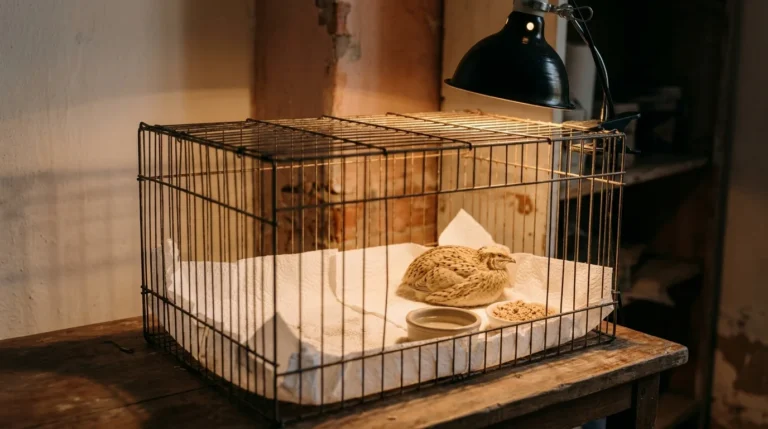
Move the bird to a quiet, warm, low-stress area held at 75–80°F, using a heat lamp or ceramic bulb positioned so the bird can move away from the heat if it wants to. Offer electrolytes in the water and high-protein game-bird feed within easy reach, since a weakened bird won’t travel far to eat.
Dim lighting reduces stress and encourages rest, and the instruction to avoid frequent handling is more important than it sounds — well-meaning keepers often check on a sick bird every twenty minutes, which is itself a stressor in a prey species. Set a schedule: check twice or three times daily, and otherwise leave the bird alone. Warmth, hydration, quiet, and accessible food are what supportive care consists of; anything beyond that requires a diagnosis.
What Should Be in a Quail Health Kit?
A practical quail health kit contains Amprolium (Corid) for coccidiosis, poultry vitamins and electrolytes for supportive care, iodine for wound cleaning, wound dressing materials, Epsom salt for foot soaks, a dedicated isolation cage, and a digital thermometer for monitoring brooder and sick-bay temperatures.
The value of assembling this in advance is timing. Coccidiosis and dehydration both progress on a scale of hours in young birds, and the difference between having amprolium and electrolytes in a cupboard versus driving to a feed store the next morning is frequently the difference between one sick chick and five dead ones. The isolation cage in particular tends to be the item keepers skip and then improvise badly during an actual emergency.
When Should You Call a Vet for Quail?
Call a vet immediately for multiple sudden deaths, any sign of a reportable disease such as Newcastle disease or Avian Influenza, neurological symptoms, or when a sick bird shows no improvement within a 48–72 hour non-improvement window under supportive care.
The other reason to involve a professional is access: prescription medication for most bacterial diseases in quail legally requires a veterinary relationship, and correct dosing guidance for a 150-gram bird is not something to extrapolate from chicken labels. Finding an avian or poultry-experienced vet before you need one — many small-animal practices don’t see birds — is a worthwhile hour spent on a quiet weekend rather than a frantic search during an outbreak.
Frequently Asked Questions - Quail Health, Symptoms & Prevention
How Do I Tell If My Quail's Illness Is Viral or Bacterial?
You often can’t tell from symptoms alone, which is why vet confirmation matters. One useful clinical clue is antibiotic non-response: bacterial infections typically show improvement within 48 to 96 hours of appropriate antibiotic treatment, while viral illnesses don’t respond at all. That said, using antibiotics as a diagnostic test is poor practice — it drives resistance and delays correct treatment — so bacterial cause verification through a vet or diagnostic lab is the right approach when the distinction matters.
Why Is My Quail Not Eating?
Appetite loss in quail is a moderate-to-advanced illness symptom, not an early one, so a bird that has stopped eating needs attention today rather than tomorrow. Non-disease causes do exist — stress from a recent disturbance, adjustment to a new environment, bullying by flockmates blocking feeder access, or a diet change the bird hasn’t accepted. Check the feeder situation and social dynamics first, but if the bird is also fluffed, isolated, or producing abnormal droppings, treat it as illness.
Can Quail Recover From Respiratory Infections Without Medication?
Mild, caught-early cases sometimes resolve with warmth, quiet, and hydration alone, particularly when the underlying cause was environmental — dust, ammonia, or a cold draft — and that cause has been corrected. Mycoplasma (CRD), however, does not self-resolve and requires veterinary-guided antibiotics; birds that appear to recover from it remain carriers indefinitely.
Can Wild Birds Infect My Quail?
Yes — wild birds are significant disease vectors for avian influenza, Newcastle disease, mycoplasma, and parasites, and the shared-space risk comes primarily through contaminated droppings in feed and water rather than direct contact. Covered pens and protected feed and water are the two controls that close this route, and they matter most during wild bird migration periods.
Do I Need to Vaccinate My Quail?
Most small-scale keepers don’t vaccinate quail, and that’s a defensible default in low-risk areas where biosecurity is good. The calculation changes if you’re in a region with active Newcastle disease or Avian Influenza outbreaks, near commercial poultry operations, or operating at a scale where a loss would be significant. State regulations vary considerably and occasionally mandate specific vaccinations or reporting, so checking local requirements is worth doing before deciding.
Should I Isolate a Sick Quail?
Yes — immediate isolation is the single most effective containment step available to a keeper, and it should happen before you know what’s wrong rather than after. Separating a suspect bird costs nothing if it turns out to be minor, and prevents flock-wide exposure if it isn’t. Flock protection through fast isolation has saved more quail than any medication in this guide.
Raise Quails
Practical, question-first guides for raising healthy,productive quail —from first egg to full coop.
TOPICS
Farming
Breeds
Care
Feed
MORE
Housing
Incubation
Eggs
SITE
About
Contact
Privacy Policy
© 2026 Homestead Quail. All rights reserved.